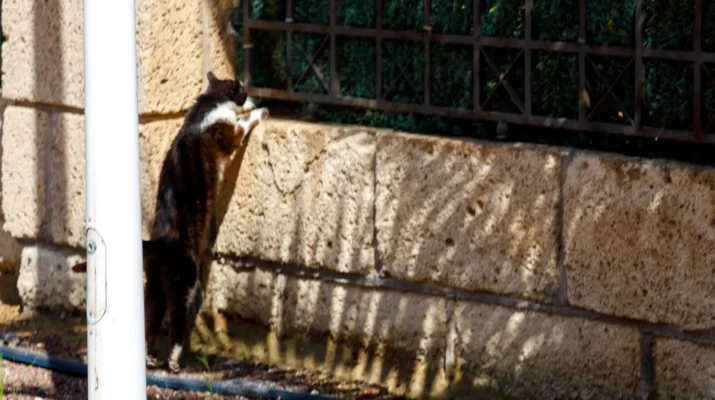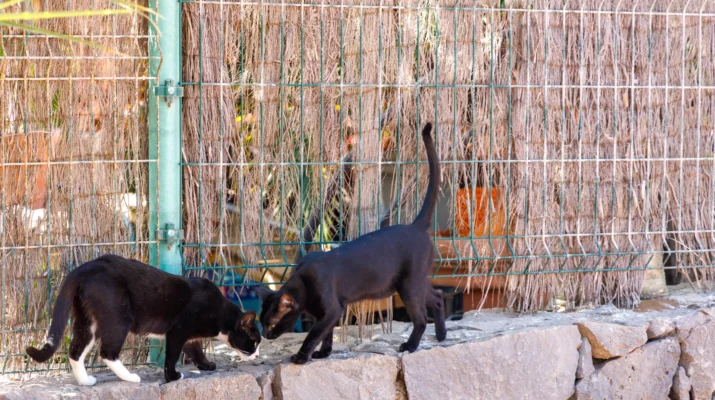
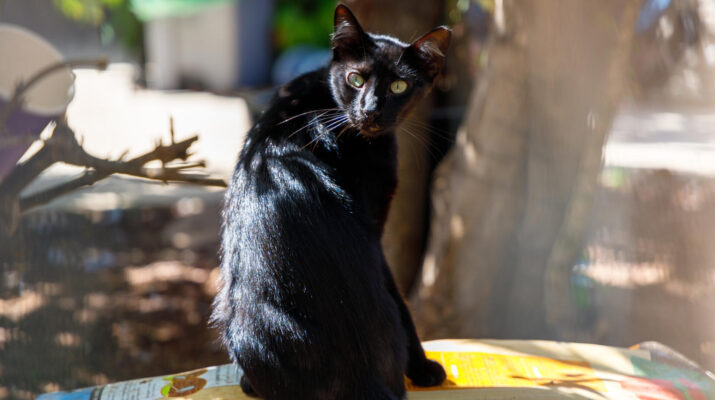
“The cats living in Adeje’s streets and tourist areas are not abandoned,” stated Adeje Town Hall’s Councillor for Animal Welfare, José Antonio López Delgado.
“They are registered, monitored and cared for by the Town Hall in collaboration with associations and volunteers, under the Local Feline Colony Management Plan approved unanimously at the municipal plenary session in December 2025.” For this model to work, it is essential that both residents and the visitors who come to the municipality each year understand how it works. This is why Adeje Town Hall has launched an awareness campaign aimed at schools, Costa Adeje’s hotel sector and the wider public, using multilingual information leaflets, digital information screens and face-to-face sessions.
José Antonio López Delgado explained that “this plan is the result of joint work between the Town Hall and the people and associations that have spent years caring for these colonies on a voluntary basis. Their commitment has been key to ensuring that Adeje now has a structured, ethical and recognisable model.
The animals are monitored, sterilised and identified, and there are responsible people overseeing every colony.”
The campaign aimed at the tourism sector responds to a specific need. Costa Adeje is home to a significant proportion of the municipality’s feline colonies, particularly in areas with high numbers of visitors. “Many tourists, when they see a cat in the street, do not know whether it is being monitored, whether they should feed it, or whether doing so could interfere with the management plan.
Feeding animals in an uncontrolled way, without coordination with the Town Hall, worsens the problem rather than solving it,” López Delgado added.
In this regard, Adeje Town Hall’s Councillor for Tourism, Patricia Paulsen Fölling, said that “Costa Adeje welcomes visitors from all over the world and we want them to understand how feline colonies are managed. Providing information in several languages and working directly with hotels is the most effective way of getting the message across.”
Methodology
The cornerstone of the plan is the TNR method, trap, neuter and return, internationally recognised as the only effective and safe system for controlling urban cat populations. The animals are captured, sterilised and identified with a microchip under municipal ownership, then returned to their colony, where accredited carers are responsible for controlled feeding and ongoing monitoring.
This system reduces fighting and territorial marking, improves animal health and promotes coexistence within the community.
The information materials also provide practical guidance: do not feed cats outside the management plan, respect their space, keep the environment clean and don’t remove animals from a colony without first consulting the Town Hall.
In the case of domestic cats, identification is compulsory to avoid confusion with colony animals, and they must be sterilised before they are six months old to prevent uncontrolled breeding.
Adeje’s Local Feline Colony Management Plan has an initial budget of almost €60,000 and includes a municipal colony register, sterilisation campaigns, training for carers and veterinary care. Awareness activities in schools will continue during the next academic year, with sessions planned in more schools across the municipality. [Comunicación Adeje]